Bangla QR is Coming For the Rickshaw Fare
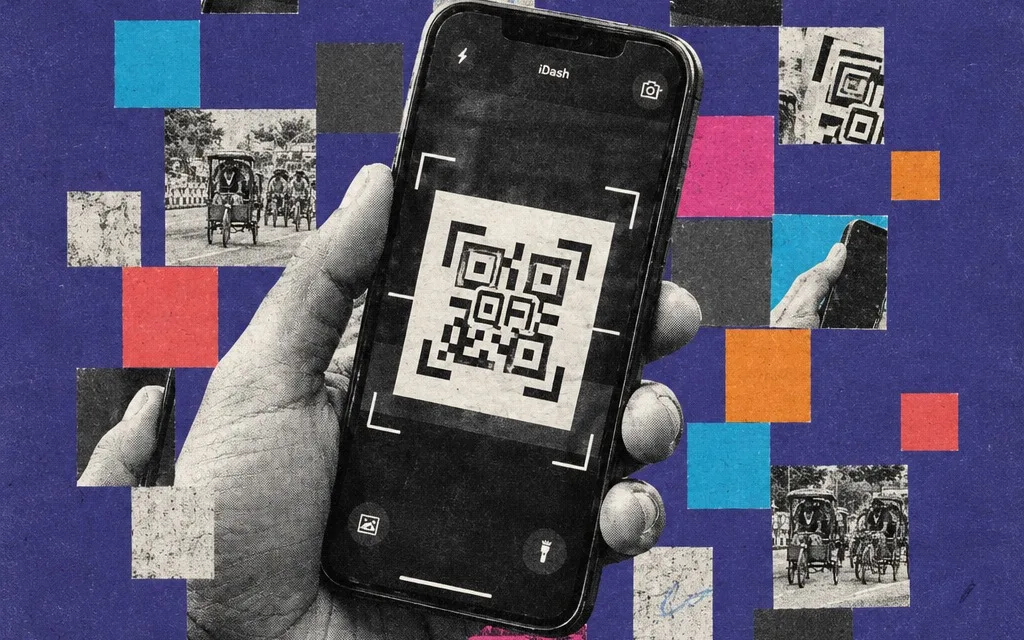
Bangla QR will let rickshaw pullers, bus conductors and vendors accept fares via personal QR codes linked to bank accounts or mobile wallets.
At a glance
- Bangladesh Bank announced on 30 September that person-to-person (P2P) transfers through Bangla QR will begin on 1 November.
- According to BSS, rickshaw pullers, bus conductors, street vendors and other informal workers will be able to receive fares and payments through their own personal QR codes, linked to a bank account or mobile wallet.
- Customers of participating banks and mobile financial services will be able to send money by scanning another person’s Bangla QR code or uploading an image of it.
- The P2P launch follows the central bank’s move to replace proprietary merchant QR codes with the national Bangla QR standard.
- From 1 October, merchants began receiving Bangla QR payments instantly. The central bank also removed the mandatory minimum merchant discount rate of 1 % and set the issuer interchange fee at zero.
- Bangladesh Bank is paying institutions an incentive of 0.10% for acquirers and 0.20% for issuers on merchant transactions up to Tk 2,000, in a programme reported to run for one year.
- Average daily Bangla QR transactions rose from around Tk 28 crore in June to Tk 143.54 crore in September, according to Bangladesh Bank.
Context
Bangla QR is Bangladesh Bank’s common payment code, designed to enable customers of different banks and mobile financial services to pay with a single QR code.
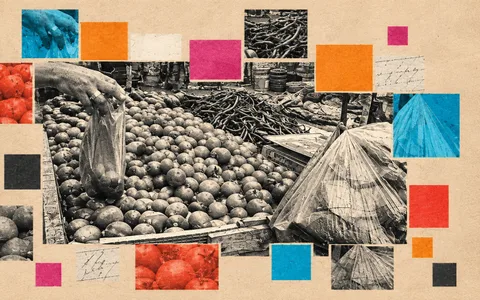
Until now, it has covered only payments to merchants, and the central bank says around 39 lakh merchant points can now accept it. The P2P phase extends further into the small, informal payments that never fit a shop counter, such as fares, tips, and payments to daily workers.
Why It Matters
The P2P phase could carry digital payments beyond shops into everyday exchanges where cash still rules, from rickshaw fares to tea stall bills. Its most important feature is interoperability. A MFS user and a bank customer can pay each other with a single scan, instead of both needing the same app.
That could weaken the hold of closed-wallet networks, though how much remains uncertain. Instant settlement and lower charges remove two practical reasons small sellers avoided QR. The limits matter as much.
What We Think
Bangla QR’s real promise is a public payment infrastructure that works across all banks and wallets, not another private network. The early numbers are encouraging, but the test is whether a street vendor can receive money safely, check that it arrived and get a mistake fixed quickly.
Also, a smartphone in the household does not mean a rickshaw puller has one in his pocket, along with data, confidence and an active account. Those are the people the scheme is meant for.